Synopsis
Road safety in India has taken a massive leap forward this year. As of January 2026, a new government mandate has transformed the two-wheeler industry: every new motorcycle and scooter sold in the country must now be equipped with an Anti-lock Braking System (ABS). For the riders of Chhatarpur, this is not just a regulatory change; it is a life-saving upgrade. Previously, smaller bikes often relied on a Combi-Brake System (CBS), but the 2026 mandate establishes ABS as the new minimum safety standard across all engine capacities. At Krishna Honda Chhatarpur, we believe it is vital for our customers to understand how this technology works and why it is especially crucial during the unpredictable monsoon season in the Bundelkhand region. This blog explains the shift from CBS to ABS, the technical benefits of anti-lock technology, and how Honda’s advanced braking systems are keeping you safer on every journey.
Table of Content
- Understanding the 2026 ABS Mandate in India
- CBS vs ABS: What is the Real Difference?
- How ABS Works: The Science of Non-Stop Traction
- Why ABS is a Lifesaver on Chhatarpur’s Monsoon Roads
- Single-Channel vs Dual-Channel ABS Explained
- Honda Models Leading the Safety Charge: Hornet 2.0 and SP 160
- Maintenance Tips for Your ABS Sensors and Software
- Conclusion: Visit Krishna Honda Chhatarpur for a Safety Workshop
Understanding the 2026 ABS Mandate in India
The 2026 mandate represents a major shift in India’s approach to two-wheeler safety. Previously, ABS was only mandatory for bikes above 125cc, while smaller commuters could use the simpler Combi-Brake System. However, recognizing that wheel lock-up is a leading cause of accidents regardless of engine size, the government now requires ABS on all new models. This means that even entry-level Honda Two Wheelers in Chhatarpur are now equipped with high-tech sensors to prevent skidding. As an authorized Honda dealer Chhatarpur, we fully support this move, as it ensures that every rider—from students to business owners—has access to the best safety tech available.
CBS vs ABS: What is the Real Difference?
It is common for riders to confuse CBS with ABS, but the two systems work very differently. CBS (Combi-Brake System) is a mechanical or hydraulic link that applies both front and rear brakes simultaneously when you use just one lever. While CBS helps balance the bike, it cannot prevent a wheel from locking if you brake too hard on a slippery surface. ABS (Anti-lock Braking System), on the other hand, is an electronic feature that actively “pumps” the brakes to prevent the wheels from stopping their rotation. This distinction is what makes ABS far superior for emergency stops and wet-weather riding in Chhatarpur.
How ABS Works: The Science of Non Stop Traction
The magic of ABS lies in its ability to monitor wheel speed in real-time. Slotted “tone rings” and sensors on the wheels feed data to an Electronic Control Unit (ECU) multiple times per second. If the system detects that a wheel is about to lock up (stop spinning while the bike is still moving), it momentarily releases and reapplies brake pressure. This happens so fast that the rider only feels a slight “pulsing” at the lever. This process ensures the tires maintain traction with the road, allowing you to steer even during hard braking. It is this advanced engineering that makes modern Honda bikes the most stable on the road.
Why ABS is a Lifesaver on Chhatarpurs Monsoon Roads
In Chhatarpur, the arrival of the monsoon brings slick, oil-filmed roads that can be incredibly dangerous for two-wheelers. A sudden brake on wet asphalt without ABS often leads to the front wheel washing out, causing a “low-side” fall. ABS acts as a digital guardian, preventing the tires from losing their grip on the slippery surface. This gives the rider the confidence to brake firmly when a car suddenly stops or a stray animal crosses the road. By significantly reducing the risk of skidding, ABS makes monsoon commuting in the Bundelkhand region much safer for everyone.
Single Channel vs Dual Channel ABS Explained
When exploring the best prices on Honda bikes Chhatarpur, you will encounter two types of ABS: Single-Channel and Dual-Channel. Single-Channel ABS, found on models like the SP 160, operates only on the front wheel to prevent the most dangerous type of lock-up. Dual-Channel ABS, featured on premium models like the updated Hornet 2.0, monitors and controls both the front and rear wheels independently. Dual-channel systems offer the highest level of stability, especially during high-speed highway cruising. Regardless of the type, having ABS onboard is a massive safety upgrade over traditional drum or standard disc brakes.
Honda Models Leading the Safety Charge: Hornet 2.0 and SP 160
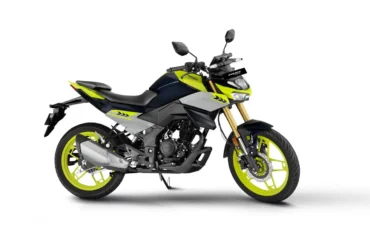
Honda has always been a pioneer in safety, and our current lineup in Chhatarpur proves it. The Hornet 2.0 now comes with a sophisticated Dual-Channel ABS system and switchable traction control (HSTC) for maximum grip. The SP 160 provides exceptional value with its Single-Channel ABS and petal disc brakes, which dissipate heat more efficiently. Even our 125cc and 110cc commuters have transitioned to ABS-equipped variants to comply with the 2026 norms. At Krishna Honda, we are proud to offer a fleet that prioritizes your life and safety above all else.
Maintenance Tips for Your ABS Sensors and Software
While ABS is a robust system, it requires proper care to function correctly. The wheel sensors and tone rings are sensitive to mud and heavy grime; we recommend keeping them clean with regular washes at our authorized Honda dealer Chhatarpur. If the ABS warning light on your dashboard stays on after you start riding, it indicates a system fault that requires immediate attention. Never attempt to bypass or repair ABS wiring at a local roadside shop. Our Krishna Honda technicians use specialized diagnostic tools to calibrate the sensors and ensure your braking system is ready for an emergency.
Conclusion: Visit Krishna Honda Chhatarpur for a Safety Workshop
The 2026 ABS mandate is a historic moment for rider safety in India, and we want you to be part of this revolution. At Krishna Honda Chhatarpur, we are hosting regular “Safety Saturdays” to help riders understand and test their new braking systems. We invite you to visit our showroom on Station Road to explore the best prices on Honda bikes Chhatarpur and take a test ride of our ABS-equipped models. Our team is dedicated to providing you with the knowledge and the machine that will keep you safe on Chhatarpur’s roads. Don’t compromise on your safety—upgrade to a Honda with ABS and ride with total peace of mind today.
FAQs
No, the 2026 mandate applies only to new vehicles manufactured and sold after the law took effect. If you own an older Honda with CBS or standard brakes, it remains legal to ride. However, ABS cannot be easily or safely retrofitted to older models. If safety is your priority, we recommend taking advantage of our exchange offers at the authorized Honda dealer Chhatarpur to upgrade to a modern, ABS-equipped Honda.
ABS is primarily designed for paved surfaces. On loose gravel or very deep mud, the system may actually increase your braking distance because it prevents the wheels from “digging in” to the ground to stop. However, for 99% of daily riding on city roads and highways, ABS is significantly safer. On models like the CB200X, the ABS is tuned to handle light off-road trails while still providing maximum safety on tarmac.
The pulsing or vibrating sensation you feel at the brake lever is perfectly normal—it means the ABS is working. The system is rapidly releasing and reapplying the brakes (up to 30 times per second) to prevent the wheel from locking up. When this happens, do not release the brake; instead, keep firm pressure on the lever and steer the bike as needed. This feedback is a sign that the high-tech sensors of your Honda bikes are protecting you from a skid.
On standard commuters like the SP 160 or Shine 125, the ABS is always active and cannot be switched off for safety reasons. Only certain high-end performance models or off-road-focused bikes occasionally offer “switchable” ABS for the rear wheel. For daily riding in Chhatarpur, keeping the ABS active at all times is the smartest choice to prevent accidents caused by unexpected obstacles or slippery road patches.
In many cases, having ABS can actually help you secure better insurance terms. Because ABS significantly reduces the risk of accidents and insurance claims, many providers view ABS-equipped Honda Two Wheelers in Chhatarpur as lower-risk assets. Some insurers may offer safety discounts or better coverage options for bikes with advanced safety features. Our finance and insurance team at Krishna Honda can help you find the best policy for your new bike.